

WHAT IT IS · WHAT IT ISN'T · WHY IT WORKS
Natural and scientific are not
incompatible definitions.
Naturopathy, or Natural Medicine, is classified as a Non-Conventional Therapy in Portugal. As other areas of Integrative, Holistic or Complementary Health, it has a credibility problem — not because it lacks rigour nor scientific bases, but because so much of what passes for naturopathy, worldwide, actually doesn't. This practice is built differently — with Science as its structural base.
A clinical discipline.
Not a wellness trend.
This is a patient-centric approach — each analysis centres on the individual patient, as a whole, far more complex than the linear sum of its parts. Naturopathy is a healthcare approach that addresses the root causes of illness rather than suppressing the symptoms. It draws on a rigorous toolkit — phytotherapy, nutritional medicine, functional diagnostics, neuroregulation, and manual therapies — and applies them with the same critical interpretation of evidence that conventional medicine demands.
It is not opposed to conventional medicine. It is not asked of you to distrust your doctor or abandon the medication you have been prescribed. Through Naturopathy a different set of questions is asked: not just what is happening, but why — and what in your particular physiology, history, and biochemistry is allowing this condition to persist.
"The question is never just what is wrong — to have it fixed. It is what your body is trying to do — and what kind of support it needs to do it better."
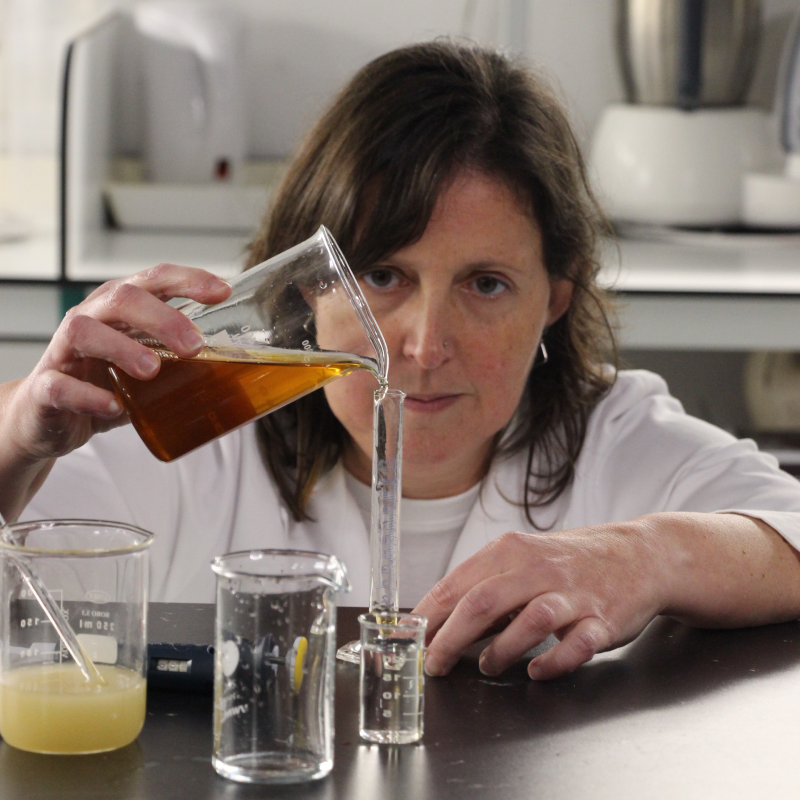
One integrated system, in constant conversation.
Skin, gut, immunity, hormones, nervous system, and mind are not separate departments. They are one integrated system, and they communicate constantly — which means that a problem presenting in one place almost always has roots, or consequences, somewhere else.
Skin
Gut
Immunity
Hormones
Nervous System
Mind
INSIDE-OUT
The root drives the surface
Gut health, immune regulation, micronutrient status, and hormonal balance drive what appears on the skin and in the body's systemic response.
OUTSIDE-IN
Stress writes into biology
The nervous system, breath, somatic memory, and chronic stress are written into biology as clearly as any lab result.
Inflammation is not just a malfunction — it's a message.
Overreactivity, sensitivity, intolerance — these are the body's attempts to communicate. Something in the environment, the diet, the gut, the immune system, or the accumulated load of stress is asking to be addressed. Suppressing the signal without resolving it is not treatment — it is postponing a situation that needs a solution.
The naturopathic goal is not to silence the body's response, but to understand what it is responding to — and remove or address that underlying trigger so the response is no longer necessary.
"The body's reactions are not the problem. They are the clue. And clues, followed carefully, lead to answers."
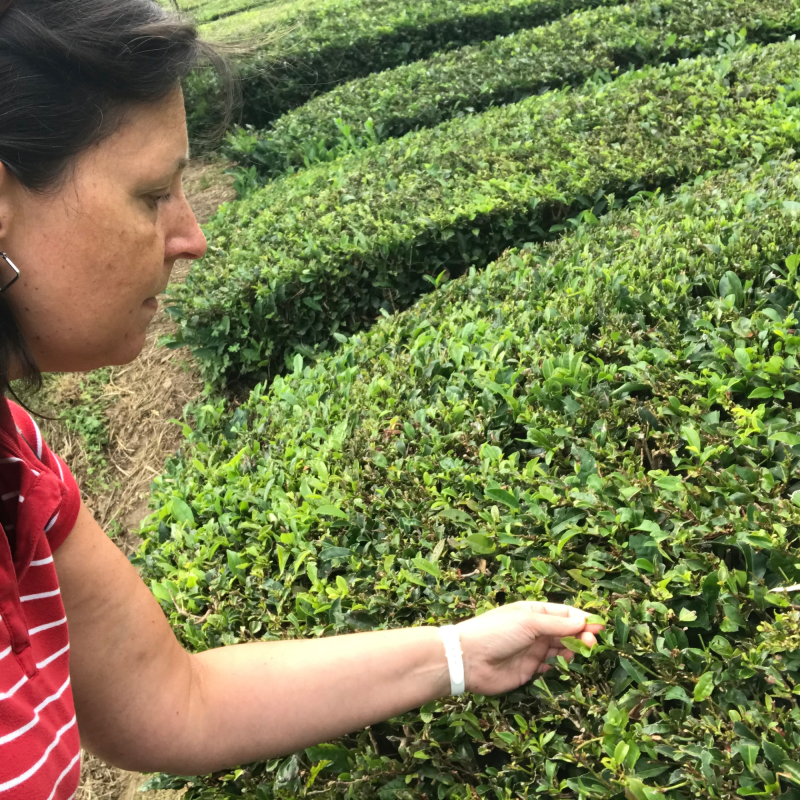
Plant science, Methodically understood.
Phytotherapy — the clinical use of plant-derived compounds — is not folk medicine dressed up for the modern market. It is a discipline with a substantial and growing body of peer-reviewed evidence, requiring the same critical rigour as any other therapeutic approach.
What sets this practice apart is depth: 25 years of research into plant-derived bioactive compounds means knowing not just that a plant extract works, but understanding through which biochemical pathway it acts, which enzymatic step it supports or inhibits, and why a whole extract often behaves differently — and more effectively — than its isolated active compound.
Whole-extract advantage
Plant extracts contain multiple compounds that interact synergistically. That complexity is not a limitation — it is frequently the central advantage of the phytotherapeutical approach.
Drug–plant–food interactions
Clinical safety means knowing how plant compounds interact with pharmaceutical medications and nutrients — not assumed away, but actively mapped for each patient.
Evidence-graded application
When the evidence is strong, that is stated clearly. When it is preliminary or emerging, that too is stated clearly. The same critical standard as pharmaceutical research.
Evidence-anchored.
Every intervention recommended in this practice is traceable to its evidence base. When that evidence is strong, that is stated clearly. When it is preliminary, mixed, or still emerging, that too is stated clearly. The same critical standard applied to pharmaceutical research is applied here — no double standards, no filling in the gaps with unfounded, plausible-sounding claims.
→ See how this applies in practice →